

.jpg?width=1800)
Family magic
Only-here moments, shared wonder, and memories with real retelling power.
Weekend Wild’s definitive U.S. ranking
A parent-first ranking of the places most likely to deliver wonder, laughter, easy wins, and the stories your family will keep retelling.
What “best” means here
Weekend Wild scored complete U.S. destination guides on the qualities that matter once real children join the trip. This is an editorial ranking, not a reader-vote contest: a famous skyline helps, but a city climbs only when its signature experiences work across ages and the day can recover from weather, crowds, or a tired kid.
The family magic index
Only-here moments, shared wonder, and memories with real retelling power.
Enough excellent attractions for several days without filler.
Compact clusters, transit, airport access, family hotels, and simple food breaks.
The ability to delight toddlers, school-age kids, tweens, and teens.
Free anchors, flexible pacing, and worthwhile choices at different budgets.
Indoor backups, outdoor resets, and more than one good season.
Find your family’s match
Showing all 20 cities
| Rank + city | Score | Best for | Age sweet spot | Best time | Stay |
|---|---|---|---|---|---|
| 1Orlando | 97 | A first big family vacation | Ages 4–12, with strong teen options | Late January to April and late October to early December | 5–7 days |
| 2San Diego | 95 | Wildlife, beaches, and low-stress variety | Toddlers through tweens | March to May and September to November | 4–6 days |
| 3Washington DC | 94 | Curious kids and multigenerational trips | Ages 6–14 | April to June and September to October | 3–5 days |
| 4New York City | 92 | Kids who want energy, icons, and choice | Ages 7–17 | April to June and September to October | 4–6 days |
| 5Chicago | 91 | Museums, architecture, and a summer beach surprise | Ages 5–14 | May to June and September | 3–5 days |
| 6Anaheim | 90 | Disney-first families and younger children | Ages 3–11 | March to May and September to November | 3–5 days |
| 7Boston | 89 | Walkable learning and first U.S. history | Ages 6–15 | April to June and September to October | 3–4 days |
| 8San Francisco | 88 | Science lovers and cinematic city moments | Ages 6–15 | September to October, plus April to May | 3–5 days |
| 9Seattle | 87 | Ferries, flight, food, and outdoor-minded kids | Ages 5–15 | June to September, especially late June and September | 3–5 days |
| 10Philadelphia | 86 | History plus excellent younger-kid museums | Ages 3–12 | April to June and September to October | 3–4 days |
| 11Los Angeles | 84 | Movies, space, beaches, and older kids | Ages 7–17 | March to May and September to November | 4–6 days |
| 12Pigeon Forge | 83 | Theme-park fun plus mountain nature | Ages 5–14 | May and September to early October | 3–5 days |
| 13Denver | 82 | Science, mountain day trips, and active kids | Ages 5–16 | May to June and September to early October | 3–5 days |
| 14San Antonio | 81 | History, theme parks, and good-value variety | Ages 4–14 | March to April and October to November | 3–5 days |
| 15Atlanta | 80 | Aquarium fans and weather-proof weekends | Ages 3–13 | March to May and October to early November | 3–4 days |
| 16Minneapolis–Saint Paul | 79 | Museums, lakes, and easy-value days | Ages 3–13 | May to June and September | 3–4 days |
| 17Charleston | 78 | History, boats, beaches, and grandparents | Ages 6–15 | March to May and October to early November | 3–4 days |
| 18Portland | 77 | Nature-loving families who dislike rigid schedules | Ages 3–13 | Late May through June and September | 3–4 days |
| 19Miami | 76 | Warm-weather breaks, science, and tropical nature | Ages 4–14 | Late January to April and late October to early December | 3–5 days |
| 20Savannah | 75 | A gentle history-and-coast long weekend | Ages 6–14 | March to May and October to early November | 2–4 days |
The 2026 ranking
No city here is filler. The ranking separates extraordinary family trips from other extraordinary family trips.
Why it ranks: No other U.S. city concentrates so many immersive, child-centered worlds in one vacation ecosystem. The tradeoff is intensity: Orlando earns the top spot when families protect rest time instead of treating every day like a ride-count contest.
The memoryWatching a child see the castle at the end of Main Street for the first time—or step into a favorite film world and forget the ordinary world exists.
Best time to go
Lower humidity and cooler mornings make long theme-park days, pools, wildlife areas, and outdoor attractions easier.
Day 1
Arrive before opening, choose three priorities, and leave room for the parade and a midday reset.
Day 2
Start with the safari, slow down on the animal trails, and finish before everyone is overtired.
Day 3
Pick the Universal park that fits your children's heights and fandoms; two parks in one day is a bonus, not the baseline.
Parent reality checkThe magic is expensive and planning-heavy. Budget for tickets before lodging, check height requirements, and schedule a pool or sleep-in day after every two park days.
Explore the Orlando guide #2Photo · Licensed destination photography
Why it ranks: San Diego pairs a genuinely world-class zoo with beaches, tide pools, museums, wildlife, and forgiving weather. Families can alternate headline days with barefoot recovery days without sacrificing the feeling of a major trip.
The memoryA morning face-to-face with wildlife followed by sunset sandcastles on the same day.
Best time to go
Mild weather supports beaches, theme parks, neighborhoods, and outdoor attractions, with fewer school-holiday crowds than summer.
Day 1
Give the zoo a full day and choose a few animal zones rather than crisscrossing the entire park.
Day 2
Pair the aquarium with cove views; keep a respectful distance from wildlife and watch ocean conditions.
Day 3
Time Cabrillo's tide pools to the tide chart, then finish at an easy family beach.
Parent reality checkThe region is spread out. A car makes the Safari Park and beach combinations much easier, and coastal mornings can be cooler and cloudier than the postcard suggests.
Explore the San Diego guide #3Photo · Licensed destination photography
Why it ranks: Free Smithsonian museums, monuments, animals, and powerful American stories create astonishing depth for the price. The Metro and a compact central core let families build a trip around curiosity instead of ticket math.
The memoryStanding beneath a spacecraft, dinosaur, or moon rock in the morning and seeing the monuments glow after sunset.
Best time to go
Spring and fall provide comfortable walking weather, parks in bloom or fall color, and a strong calendar of family activities.
Day 1
Reserve timed entry where required and save the monuments for cooler late-afternoon light.
Day 2
Choose one major Smithsonian, then switch to hands-on play before museum fatigue wins.
Day 3
Start at the zoo's uphill end, then reward the walking with waterfront space.
Parent reality checkFree does not mean spontaneous: timed passes, security lines, long museum corridors, and summer humidity can wear kids out. One or two museums per day is plenty.
Explore the Washington DC guide #4Photo · Licensed destination photography
Why it ranks: New York turns ordinary transport, food, parks, and street life into part of the attraction. Its unmatched cultural depth grows with children, making it a city families can revisit at completely different ages.
The memoryEmerging from the subway into Times Square, seeing the skyline from a ferry, or hearing the first notes of a Broadway overture.
Best time to go
Spring and fall provide comfortable walking weather, parks in bloom or fall color, and a strong calendar of family activities.
Day 1
Choose museum halls in advance, then let the park—not another ticket—carry the afternoon.
Day 2
Take an early ferry and finish with playground time and skyline views in Brooklyn Bridge Park.
Day 3
Pair one major museum with a matinee or neighborhood food adventure; avoid stacking cross-town commitments.
Parent reality checkHotel rooms are small, costs climb fast, and the sensory load is real. Group days by neighborhood and treat playgrounds, pizza, and subway rides as legitimate itinerary anchors.
Explore the New York City guide #5Photo · Licensed destination photography
Why it ranks: Chicago's museum campus, lakefront, architecture, parks, and transit create big-city spectacle with less friction than its scale suggests. In warm weather, the beach and river keep culture-heavy days playful.
The memorySeeing the skyline from the river, then racing through Maggie Daley Park as Lake Michigan flashes blue beyond the towers.
Best time to go
Mild to warm days favor lakefronts, parks, bike paths, outdoor museums, and festivals without the deepest winter cold.
Day 1
Pick one Museum Campus headliner for a deep visit; add the second only if energy remains.
Day 2
Give children a playground reset before a family-friendly river architecture cruise.
Day 3
Choose the science museum for a rainy day or the zoo and lakefront for sunshine.
Parent reality checkWinter can turn the trip into an indoor relay, and the major museums are enormous. Summer weekends are lively but crowded; late spring and September are the sweet spot.
Explore the Chicago guide #6Photo · Licensed destination photography
Why it ranks: Disneyland's two walkable parks make the signature experience more compact than Orlando, while nearby science, small-kid attractions, and Orange County beaches widen the trip. It ranks below Orlando because the total bench is thinner.
The memoryWalking from a morning with princesses and pirates to an evening in Cars Land without a bus, rental car, or complicated transfer.
Best time to go
Mild weather supports beaches, theme parks, neighborhoods, and outdoor attractions, with fewer school-holiday crowds than summer.
Day 1
Use an early start, a midday hotel break, and a short priority list.
Day 2
Build the day around Cars Land, character moments, and attractions that fit your family's heights.
Day 3
Choose science for school-age kids or pretend play for younger children, then enjoy an unhurried pool afternoon.
Parent reality checkAnaheim is a better Disneyland base than a walkable city break. Park pricing dominates the budget, and the most useful hotel is often the one close enough for a real midday break.
Explore the Anaheim guide #7Photo · Licensed destination photography
Why it ranks: Boston makes history tangible through brick paths, ships, ballparks, and harbor views, then backs it with elite children's, science, and aquarium experiences. Its human scale is a gift to families.
The memoryFollowing the red-brick Freedom Trail until an old ship, steeple, or costumed storyteller turns a textbook chapter into a place.
Best time to go
Spring and fall provide comfortable walking weather, parks in bloom or fall color, and a strong calendar of family activities.
Day 1
Walk only the Freedom Trail stretch your kids can enjoy and finish aboard the USS Constitution complex.
Day 2
Pair the aquarium or children's museum with harbor air rather than trying to fully do both.
Day 3
Use the Public Garden as the low-key counterweight to a major indoor attraction.
Parent reality checkOld sidewalks, stairs, and compact hotel rooms can complicate stroller travel. The city is walkable, but the Freedom Trail is still 2.5 miles before detours and snack negotiations.
Explore the Boston guide #8Photo · Licensed destination photography
Why it ranks: Cable cars, fog, steep streets, the bay, and the Golden Gate make the city itself feel like an attraction. The Exploratorium and California Academy of Sciences give it exceptional rainy-day and school-age depth.
The memoryClinging to a cable car as a hill drops toward the sparkling bay and the city suddenly looks like a movie set.
Best time to go
Early fall often brings the city's warmest, clearest days, while spring offers green hills and good walking weather before summer crowds.
Day 1
Ride early, dress in layers, and choose one bridge viewpoint rather than chasing every angle.
Day 2
The Exploratorium can fill most of a day; protect time for waterfront wandering outside.
Day 3
Pair the academy with playground or garden time instead of another indoor ticket.
Parent reality checkHills, chilly microclimates, car break-ins, and expensive rooms require planning. Skip the rental car for city days and never leave luggage visible in a vehicle.
Explore the San Francisco guide #9Photo · Licensed destination photography
Why it ranks: Seattle can move from market bustle to aquarium windows, ferry decks, forested parks, and aviation history without losing its sense of place. The city's rainy reputation is softened by an excellent indoor bench.
The memoryTaking an ordinary public ferry and realizing the commute comes with skyline, mountain, and sea views.
Best time to go
The driest, brightest stretch favors parks, islands, waterfalls, hiking, and waterfront time with long daylight.
Day 1
Go to the market early, graze for lunch, and let the aquarium anchor the wettest hours.
Day 2
Choose the Space Needle for the icon and Pacific Science Center for kid-led exploration.
Day 3
Pair the Museum of Flight with a simple ferry ride rather than an overbuilt island itinerary.
Parent reality checkRain is usually manageable, but winter darkness changes the feel of a trip. Hills and neighborhood distances mean transit works best when each day stays in one cluster.
Explore the Seattle guide #10Photo · Licensed destination photography
Why it ranks: Philadelphia combines major American history with one of the country's strongest clusters for young children: Please Touch, the Franklin Institute, the zoo, dinosaurs, and superb playgrounds. It often costs less and feels less overwhelming than its East Coast peers.
The memoryRunning through a giant heart or a storybook play world, then standing where the country's founding arguments became history.
Best time to go
Spring and fall provide comfortable walking weather, parks in bloom or fall color, and a strong calendar of family activities.
Day 1
Use timed tickets for the historic core and break up the storytelling with Franklin Square.
Day 2
Please Touch wins for younger kids; the Franklin Institute grows better with school-age children.
Day 3
Do the zoo early and protect a long, unstructured stop at Smith Playground.
Parent reality checkThe best attractions sit in different clusters, so map the day before you arrive. Historic interpretation varies by site; choose tours that make the story active and age-appropriate.
Explore the Philadelphia guide #11Photo · Licensed destination photography
Why it ranks: Few cities can offer movie-world thrills, free science, fossils, beaches, mountain views, and global food in one trip. Los Angeles loses ease points because distance and traffic punish ambitious schedules.
The memorySeeing the city glitter below Griffith Observatory after a day that began with a space shuttle or ended beside the Pacific.
Best time to go
Mild weather supports beaches, theme parks, neighborhoods, and outdoor attractions, with fewer school-holiday crowds than summer.
Day 1
Keep the day in central Los Angeles and finish at Griffith around sunset.
Day 2
Commit to one studio or theme-park anchor and do not add a cross-city dinner reservation.
Day 3
Pair Santa Monica with beach time and one nearby neighborhood, not a second coastline.
Parent reality checkTraffic is not a footnote; it is the itinerary. Stay near the experiences you value most and group each day into one side of the city.
Explore the Los Angeles guide #12Photo · Licensed destination photography
Why it ranks: Pigeon Forge works because Dollywood's warmth and polish sit beside coasters, shows, playful museums, cabins, and Great Smoky Mountains adventures. Families can balance manufactured fun with genuine mountain memory-making.
The memoryRiding a coaster to a mountain view, then slowing down for a creek, overlook, or firefly-lit cabin evening.
Best time to go
Late spring and early fall balance comfortable temperatures with broad attraction schedules and make it easier to combine outdoor adventures with indoor backups.
Day 1
Mix major rides with crafts, music, food, and a show so non-riders get a full day too.
Day 2
Start with a national-park drive or family trail, then save the mountain coaster for later.
Day 3
Choose one museum anchor and one low-commitment evening attraction.
Parent reality checkThe Parkway is car-dependent, traffic can crawl, and attraction signs compete for attention. Preselect a few worthwhile anchors and let the rest stay background scenery.
Explore the Pigeon Forge guide #13Photo · Licensed destination photography
Why it ranks: Denver offers strong science, children's, art, animal, and immersive attractions while keeping the foothills within reach. Its biggest family magic often happens when a polished city day and a mountain day share the itinerary.
The memoryWalking into a high-country view after a museum morning and watching children realize how enormous the landscape is.
Best time to go
Mild city weather and generally accessible foothill outings make late spring and early fall the most flexible family seasons.
Day 1
Choose one as the anchor and use City Park for movement between indoor stops.
Day 2
Plan one elevation-appropriate trail or scenic outing; weather and altitude decide the pace.
Day 3
Pick the children's museum for little kids or Meow Wolf for older children and teens.
Parent reality checkThe airport is far from downtown, mountain weather changes fast, and altitude can drain energy. Hydrate, schedule a gentle first day, and never treat a mountain drive as guaranteed.
Explore the Denver guide #14Photo · Licensed destination photography
Why it ranks: The River Walk, the Alamo, caves, excellent children's experiences, and major parks give San Antonio unusual range. Morgan's Wonderland—designed with accessibility at its core—strengthens the city's all-family credentials.
The memoryDrifting along the River Walk at dusk after a day that moved from Texas history to fully committed play.
Best time to go
Milder temperatures make outdoor attractions, river walks, zoos, and day trips more manageable than the long summer heat.
Day 1
Visit the Alamo early, then let the river carry the slower part of the day.
Day 2
Choose the DoSeum for younger kids or make Morgan's Wonderland the full-day anchor.
Day 3
Reserve a cave tour that matches mobility and age, then keep the hot afternoon light.
Parent reality checkSummer heat can overwhelm outdoor plans. Spring and fall are much kinder, and the theme parks and caverns sit beyond the compact downtown core.
Explore the San Antonio guide #15Photo · Licensed destination photography
Why it ranks: Georgia Aquarium is a true travel-worthy anchor, and Atlanta backs it with dinosaurs, puppetry, gardens, a zoo, civil-rights history, and a tight downtown attraction cluster. It is especially forgiving when heat or rain changes the plan.
The memoryWatching a whale shark glide overhead while the whole family goes quiet at once.
Best time to go
Spring blooms and fall's lower humidity make parks, historic districts, music, and walking-heavy days more comfortable.
Day 1
Book the aquarium early and use Centennial Olympic Park to decompress between attractions.
Day 2
Fernbank is strongest when the indoor museum and outdoor forest are treated as one visit.
Day 3
Choose by weather and age; reserve a puppet performance rather than assuming same-day seats.
Parent reality checkTraffic and summer humidity are the main friction points. Stay near your top cluster and avoid crossing the metro area for a single secondary stop.
Explore the Atlanta guide #16Photo · Licensed destination photography
Why it ranks: The Twin Cities quietly assemble a first-rate children's museum, science museum, free zoo and conservatory, major zoo, waterfalls, lakes, and indoor amusement. The result is excellent depth without coastal-city pressure.
The memoryFollowing a city creek to Minnehaha Falls, then warming up or cooling down inside a museum built for hands-on discovery.
Best time to go
These months usually balance lake-and-park weather with lighter heat and fewer peak-summer crowds.
Day 1
Pick one museum for a deep visit and save the other for a weather backup.
Day 2
Build a picnic-and-play day around Minnehaha and a nearby lake.
Day 3
Choose compact, donation-based Como or the larger Minnesota Zoo—not both.
Parent reality checkThe two-city geography rewards a car and careful clustering. Winter can be magical but severe; summer and early fall reveal the easiest version of the destination.
Explore the Minneapolis–Saint Paul guide #17Photo · Licensed destination photography
Why it ranks: Charleston is less about nonstop attractions and more about texture: harbor boats, forts, marine life, old streets, Lowcountry ecosystems, and nearby beaches. That slower rhythm can be ideal for multigenerational families.
The memoryCrossing the harbor to Fort Sumter while pelicans skim the water and the city recedes behind the boat.
Best time to go
Spring blooms and fall's lower humidity make historic districts, gardens, parks, and walking-heavy days more comfortable.
Day 1
Choose Fort Sumter or the naval museum as the main history anchor; both in one day is a lot.
Day 2
Pair the aquarium with a short, child-paced historic walk and plenty of shade.
Day 3
Choose one landscape-rich historic site, discuss its full history honestly, and add beach time.
Parent reality checkHeat, humidity, cobblestones, and complex plantation history demand care. Choose accurate, inclusive interpretation and avoid trying to make young children appreciate architecture for hours.
Explore the Charleston guide #18Photo · Licensed destination photography
Why it ranks: Portland's science museum, zoo, city forests, gardens, trains, books, food carts, and splash-friendly public spaces make easy family days. It shines more through pleasant accumulation than one blockbuster icon.
The memoryRiding into Washington Park and realizing a zoo, forest, gardens, and family trails can all belong to a city day.
Best time to go
These periods often balance green landscapes, garden color, long-enough days, and outdoor access with fewer peak-summer crowds.
Day 1
Let OMSI carry the day, then use the tram only if clear views make it worthwhile.
Day 2
Choose the zoo plus one garden or forest walk; the park is too big to collect all at once.
Day 3
Keep the final day loose and let weather choose between rail history, parks, and food carts.
Parent reality checkRain is part of the climate and the destination is better with a flexible layer-and-backup mindset. Some standout day trips require a car and careful seasonal condition checks.
Explore the Portland guide #19Photo · Licensed destination photography
Why it ranks: Miami is more than the beach: Frost Science, Zoo Miami, tropical gardens, art, and warm-water parks build a versatile family trip. It ranks lower because heat, storms, traffic, and neighborhood spread can erode convenience.
The memoryMoving from a glowing aquarium tank to an open-air rooftop view, then ending the day with warm sand underfoot.
Best time to go
Lower humidity and cooler mornings make beaches, parks, wildlife areas, and long theme-park days easier.
Day 1
Frost is the anchor; add the children's museum only for younger kids with energy to spare.
Day 2
Choose the zoo or Fairchild, start early, and plan a heat escape.
Day 3
Pick one family-suitable shoreline based on wind, water, and drive time.
Parent reality checkBeach conditions vary, summer is intensely hot and stormy, and distances are substantial. A winter or early-spring visit is usually the kinder family trip.
Explore the Miami guide #20Photo · Licensed destination photography
Why it ranks: Savannah's squares, wildlife, forts, art, ghost stories, and Tybee Island create a memorable long weekend with little big-city stress. Its attraction depth is lighter than the cities above it, which is also part of its charm.
The memoryWandering from one moss-draped square to the next as a child turns the city's layers into a ghost story, treasure hunt, or living map.
Best time to go
Spring blooms and fall's lower humidity make historic districts, gardens, parks, and walking-heavy days more comfortable.
Day 1
Keep the historic walk short and turn the squares into recurring play breaks.
Day 2
Choose the wildlife center or fort as the anchor depending on age and weather.
Day 3
Check beach and lighthouse conditions, then leave the schedule loose enough for sand time.
Parent reality checkSummer heat and humidity slow everyone down, and the historic-center appeal can feel abstract to very young kids. Use trolley rides, parks, wildlife, and Tybee to keep the trip concrete.
Explore the Savannah guideResearch desk
The number-one city is not automatically the right city for your family. Use the match filters and parent reality checks; a lower-ranked place can be the better trip for your ages, budget, energy, and season. Hours, tickets, weather, and closures change, so verify the linked official attraction pages before booking.
Keep exploring
Guides, destinations and activities worth a family weekend.
 Best U.S. National Parks with KidsEight national parks selected for real family days, with the trip shape and tradeoff to know before you book.
Representative imageWeekend Wild image library
 Family City Guides in Every StateExplore 129 priority family cities across all 50 states, with an honest view of which guides are complete, useful starters, or next in the research queue.
Representative imageSamsung Memory US / Unsplash
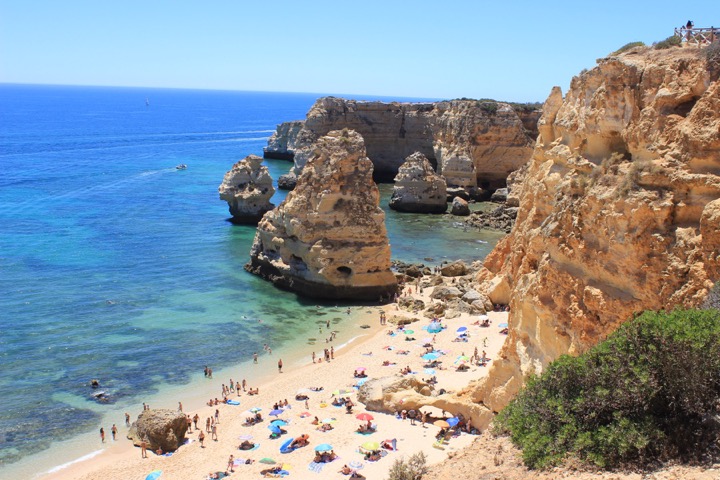 16 Extraordinary Family Trips for 2027A worldwide edit with a month-and-age finder, side-by-side comparisons, realistic routes, stays and honest planning tradeoffs.
MimihitamCC BY 4.0
 St. Louis with kidsSt. Louis is one of the country’s strongest value destinations for families: the Zoo, Science Center, Art Museum, History Museum, and major parks can all be free, while City Museum and the Gateway Arch deliver two genuinely singular paid anchors. The best plan clusters downtown, Forest Park, and the south and west county attractions instead of crisscrossing the metro.
Representative imageDaniel Schwen · CC BY-SA 4.0CC BY-SA 4.0
 Little Rock with kidsLittle Rock gives families an unusually useful mix of hands-on science, civil-rights history, free art and state museums, riverfront play, baseball, bridges, and foothill hiking. The strongest plan clusters the compact downtown and North Little Rock core, then chooses one deliberate nature or Hot Springs day trip instead of treating central Arkansas as one giant attraction list.
Representative imageSer Amantio di Nicolao · CC BY-SA 4.0CC BY-SA 4.0
.jpg?width=1280) Durham with kidsDurham gives families unusually different days in a compact city: an exceptional science-and-wildlife museum, reserved lemur encounters, baseball, gardens, river trails, Black history, public art, creative reuse, and serious performing arts. The strongest plan uses one geographic cluster per day and treats farms, water access, and performances as schedule-dependent rather than guaranteed.
Durham with kidsDurham gives families unusually different days in a compact city: an exceptional science-and-wildlife museum, reserved lemur encounters, baseball, gardens, river trails, Black history, public art, creative reuse, and serious performing arts. The strongest plan uses one geographic cluster per day and treats farms, water access, and performances as schedule-dependent rather than guaranteed.Representative imageWarren LeMay from Covington, KY, United States · CC0CC0
 Huntsville with kidsHuntsville works best when families give space exploration its own day, then use the city's gardens, hands-on history, art, ballgames, and mountain preserves as genuinely different experiences rather than add-ons. Cluster downtown on foot, treat Monte Sano as a separate weather-dependent plan, and choose only one North Alabama day trip.
Representative imageWeaponizingArchitecture · Wikimedia CommonsCC BY-SA 4.0
 Anchorage with kidsAnchorage gives families a real Alaska trip without forcing every day into expedition mode: start with Alaska Native culture, wildlife, museums, and accessible city trails, then choose one weather-dependent flight, rail, glacier, Girdwood, Portage, or Palmer day. The strongest plan respects distance, mountain weather, wildlife rules, and seasonal schedules instead of stacking far-flung highlights.
Representative imageQuintin Soloviev · Wikimedia CommonsCC BY 4.0