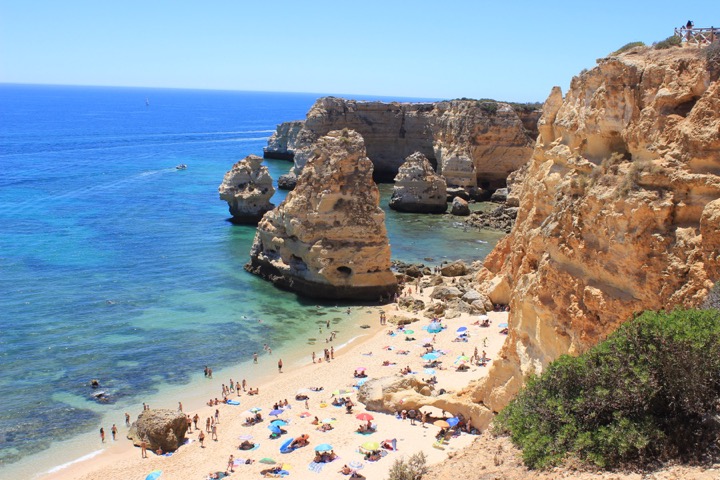
Choose when and where, then see what your family could do in each destination.
Showing 12 of 178 matching destinations
Check travel time
Compare rough flying-time estimates and check current driving time in Google Maps from the same starting point. Use a ZIP code, device location, or selected city.
More filters: budget, trip length, and transportation
Typical weather: Summer days are long and generally mild but can be wet, cool, windy, or smoky; winter is cold, dark, snowy, and highly condition-dependent. Turnagain Arm, Portage, Girdwood, Whittier, and mountain trailheads can have very different weather from downtown, so keep one flexible indoor plan.
When to go: Late May through early September for the broadest family access; February and March for a deliberate winter trip
Summer brings long daylight, open visitor centers, cruises, farms, trails, and the fullest excursion schedule. Late winter offers increasing daylight, groomed trails, skiing, and tubing, but demands cold-weather readiness.
Plan around: Wildlife, wildfire smoke, wind, rain, snow, avalanches, road ice, tunnel schedules, trail closures, and operator cancellations can all change a day. Never enter glacier ice caves or approach animals for a photo.
Typical weather: Summers are hot, humid, and storm-prone; spring and fall usually make parks and historic districts easier, while winter is cooler with occasional freezes. Heat, lightning, and heavy rain can change outdoor plans quickly, so every long park day needs a genuine indoor backup.
When to go: March to May and October to early November
These windows usually offer milder temperatures for civil-rights walks, gardens, trails, ballgames, and zoo time while the city's indoor anchors remain available.
Plan around: Severe thunderstorms, tornado watches, heat advisories, and flash flooding require current forecasts. Seasonal parks, water attractions, performances, and ballgames should be verified for the exact date.
Typical weather: Durham has humid summers, changeable storms, pollen-heavy springs, mild but variable winters, and colorful autumns. Heat, lightning, river levels, drought restrictions, ticks, and seasonal farm or swim operations can change an outdoor plan quickly.
When to go: Late March through May and late September through early November
Milder temperatures make Duke Gardens, downtown walks, farms, the Eno, and Falls Lake easier while Durham's museums and performance spaces remain reliable backups.
Plan around: Summer heat and storms, river conditions, water-shortage restrictions, timed tours, farm crop windows, and age or waiver rules all require a current check.
Typical weather: Summers are hot, humid, and storm-prone; spring and fall are usually easier for gardens, trails, and ballgames, while winter brings cool days and occasional freezes. Mountain weather and severe thunderstorms can change outdoor plans quickly, so keep a real indoor backup.
When to go: March to May and late September to early November
These windows usually offer milder temperatures for gardens, mountain trails, downtown walks, and sports while Huntsville's major indoor anchors remain available.
Plan around: Severe thunderstorms, tornado watches, heat advisories, and trail conditions require current checks. Ballgames, planetarium shows, train rides, performances, pools, splash pads, and water parks are schedule-dependent.
Typical weather: Little Rock has hot, humid summers, changeable thunderstorms, mild but variable winters, and pleasant but sometimes pollen-heavy spring and fall days. Heat, lightning, river levels, flash flooding, and seasonal water-park or baseball schedules can change a plan quickly.
When to go: Late March through May and late September through early November
Milder temperatures make downtown walking, River Trail bridges, Pinnacle Mountain, gardens, and day trips easier while museums remain reliable backups.
Plan around: Summer heat and lightning, river or flash-flood conditions, timed tours, seasonal parks, and long day-trip drives all require a current check.
Typical weather: St. Louis has hot, humid summers, stormy shoulder seasons, cold winter snaps, and rapid weather changes. Heat, lightning, tornado watches, icy roads, river conditions, and seasonal attraction calendars can all reshape a day.
When to go: April through May and late September through October
Milder temperatures make Forest Park, the riverfront, gardens, nature centers, and regional excursions easier while the city’s excellent museums remain reliable backups.
Plan around: Summer heat and lightning, winter ice, timed tours, seasonal farms and rides, and west-county drive times all require a current check.
Typical weather: Plan for seasonal weather swings in Banff. Keep one indoor backup, one free outdoor option, and one low-effort food stop ready before the day starts.
When to go: June to September for hiking; January to March for snow
Summer opens alpine roads, lakes, and family trails, while midwinter offers reliable ski and snow-play conditions.
Plan around: Snow can linger into June and return early in fall. Wildfire smoke may affect summer air quality; reserve park access, lodging, and shuttles early.
Typical weather: Plan for seasonal weather swings in Vienna. Keep one indoor backup, one free outdoor option, and one low-effort food stop ready before the day starts.
When to go: May to June and September to early October
Comfortable walking weather, green parks, lake or river time, and an active cultural calendar make late spring and early fall especially flexible.
Plan around: Alpine day trips can still have snow early in spring, and fall mountain weather changes fast. Book festival or Christmas-market trips far ahead.
Typical weather: Plan for seasonal weather swings in Cairns. Keep one indoor backup, one free outdoor option, and one low-effort food stop ready before the day starts.
When to go: May to October
The dry season brings lower humidity, calmer outdoor conditions, and generally better reef visibility for family boat and rainforest days.
Plan around: November to April is hot, wet, and cyclone-prone; marine stingers are also more prevalent. Follow operator and beach-safety guidance.
Typical weather: Plan for seasonal weather swings in Gold Coast. Keep one indoor backup, one free outdoor option, and one low-effort food stop ready before the day starts.
When to go: April to May and September to October
Warm days, lower humidity, and comfortable water temperatures work well for beaches, theme parks, and hinterland outings.
Plan around: Summer is hotter, wetter, and stormier. Strong surf and marine stingers can affect beach plans, so use patrolled beaches.
Typical weather: Plan for seasonal weather swings in Melbourne. Keep one indoor backup, one free outdoor option, and one low-effort food stop ready before the day starts.
When to go: March to May and September to November
Shoulder-season temperatures suit ferries, zoos, parks, coastal walks, and city exploring without the height of summer demand.
Plan around: Weather changes quickly. Heatwaves, bushfire smoke, and heavy rain can affect summer plans, so check local alerts each day.
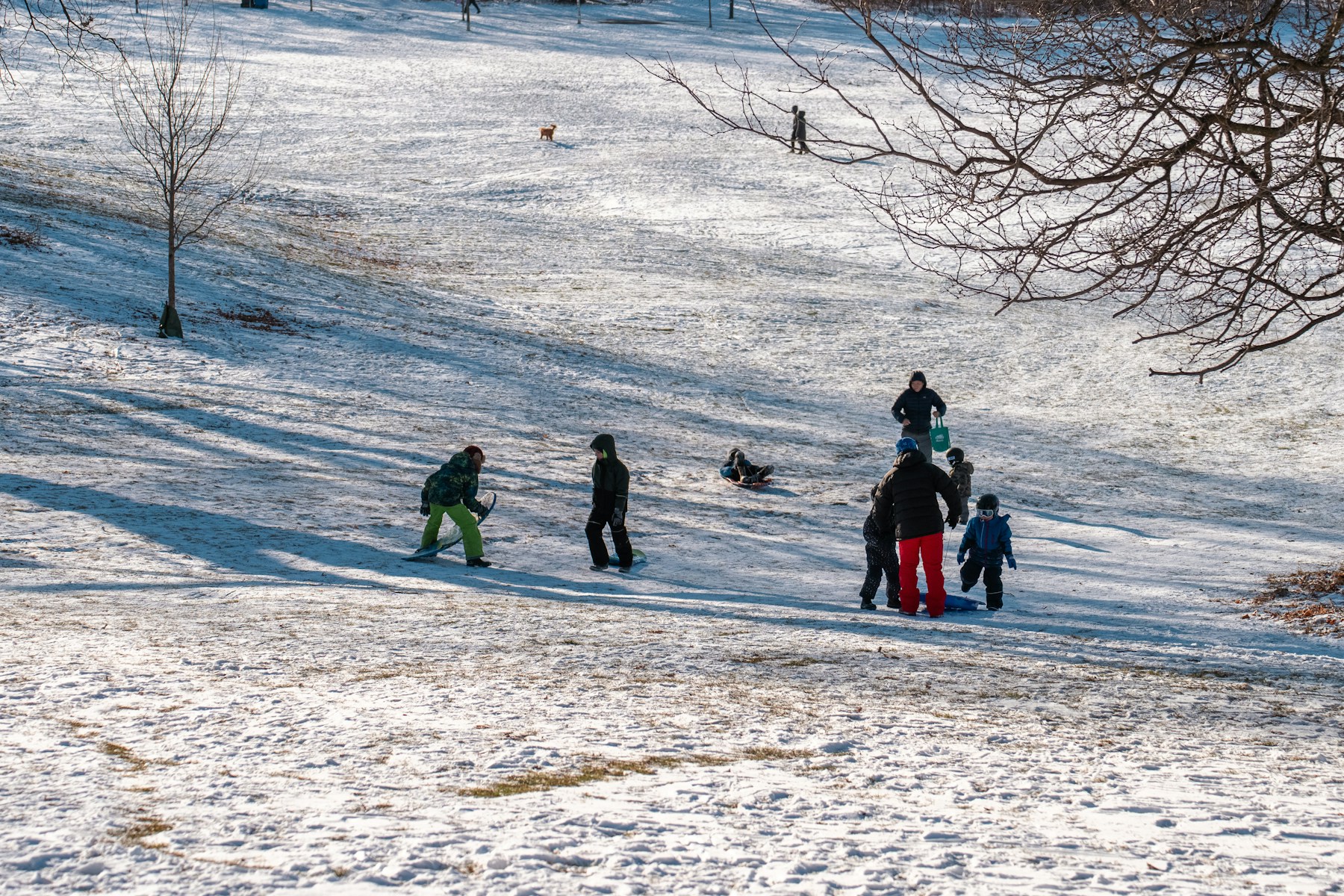
Winter wonderland trips that feel magical with kids.
Compare six Christmas and New Year getaways by snow confidence, exact holiday timing, age fit, cost, and the parent reality check most likely to save the trip.




 Featured guide · United States