The DMV sensory-friendly guide parents can actually plan with.
Filter real local places by area, support level, and cost. Every pick includes the useful part: what changes, what may still feel hard, and where to confirm before promising the outing.
51useful starting points4parent logistics on every pick
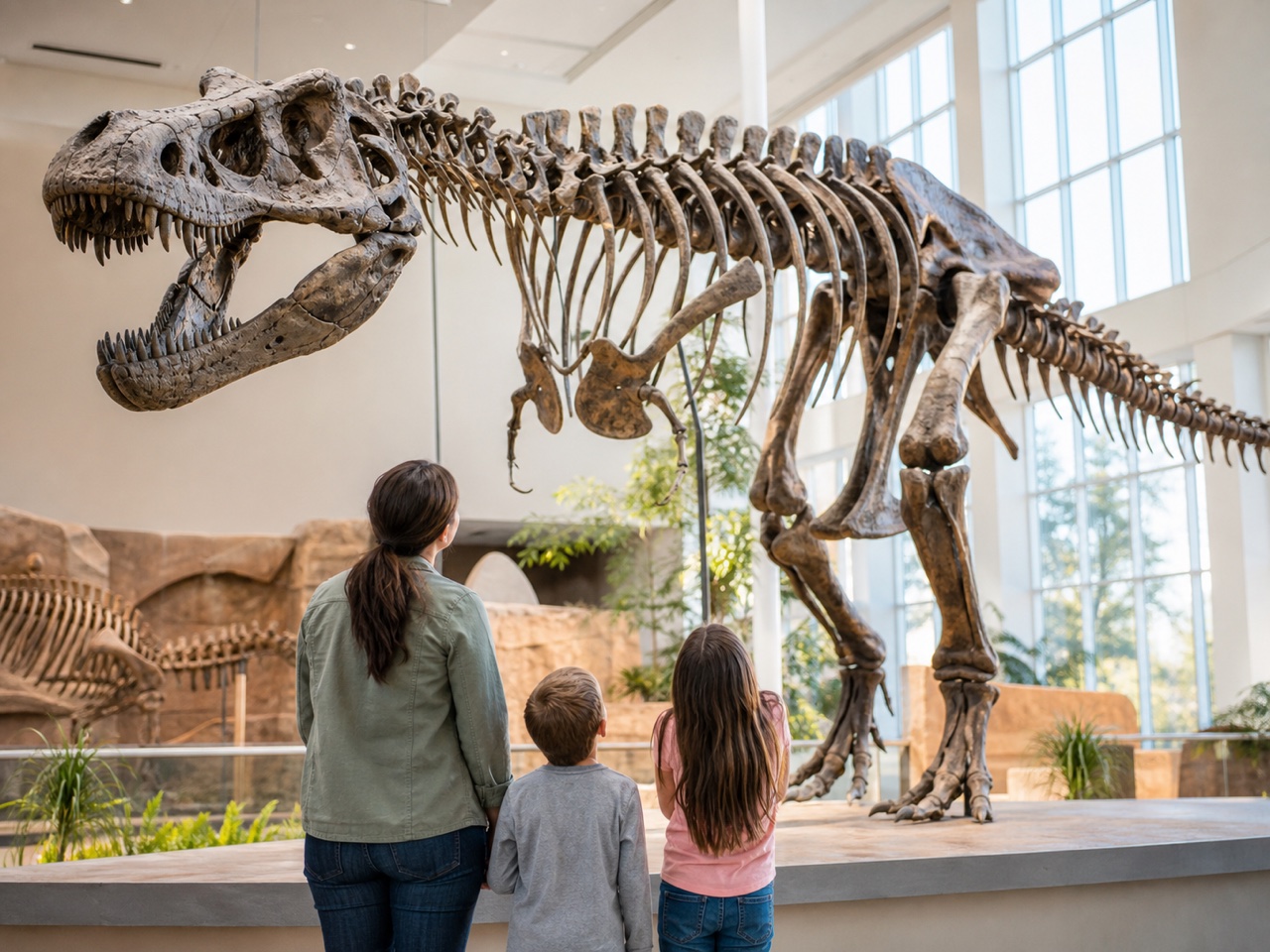
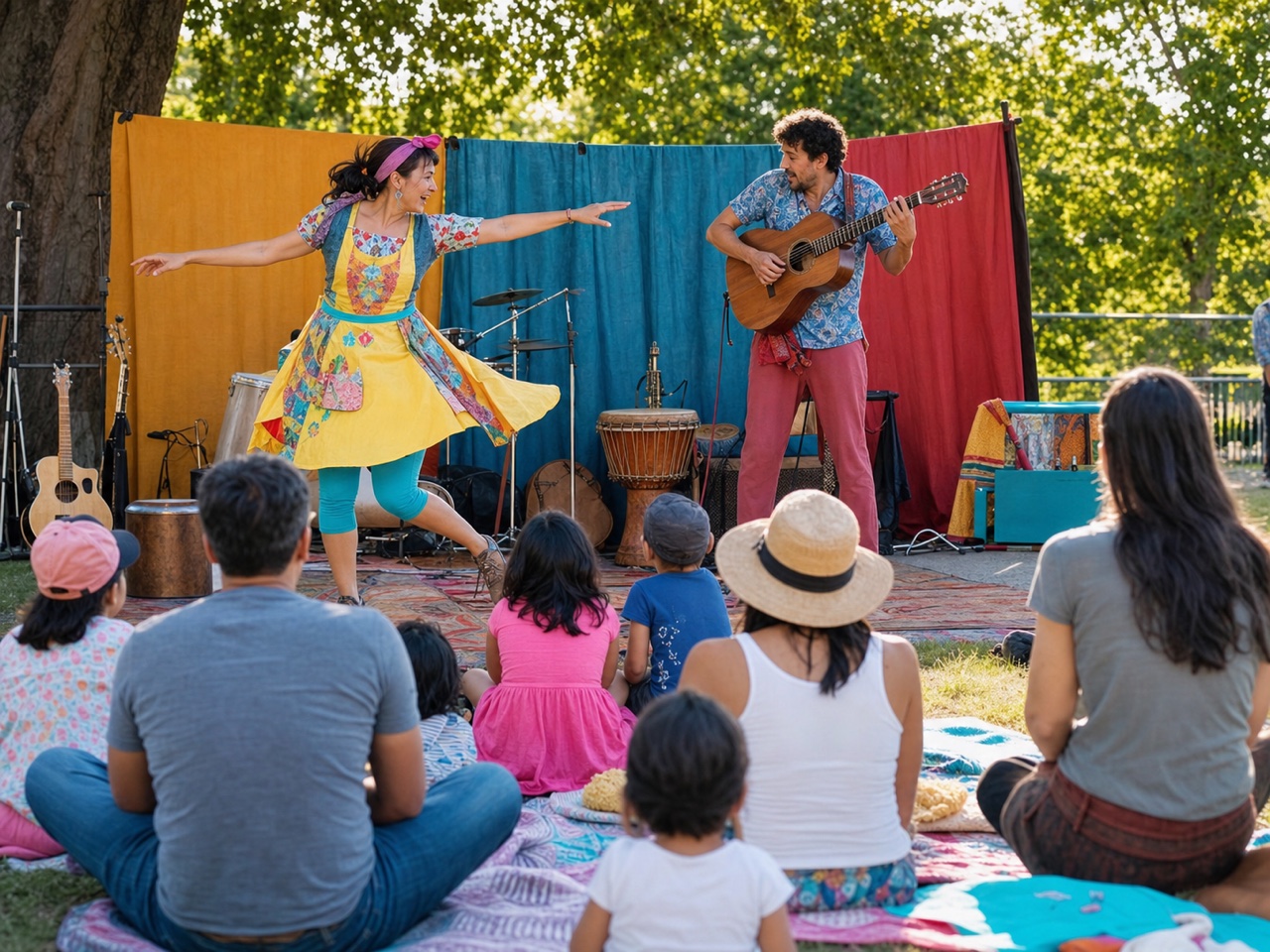
Representative image · Weekend Wild licensed image libraryRepresentative photography is labeled; current venue details should always be checked before leaving.
Best for Families seeking adapted classes or inclusion support in county recreation
The county offers specialized programs and can help put supports in place for a child joining a general recreation class. Its sensory tent also appears at selected community events.
Best ages
All ages
Typical cost
Varies
Parent load
Call ahead
Weather fit
Any
Parent reality check
Contact the team before registration. Describe communication, triggers, regulation tools, toileting or medication needs, and what a safe exit looks like.
Best for A small, free outing with animals, pond, stream, and short trails
A children’s Discovery Room, live animals, viewing pond, outdoor discovery area, and paved or natural trails make it easy to build a 30- to 90-minute visit.
Best ages
2–10
Typical cost
Free
Parent load
Low
Weather fit
Best in mild weather
Parent reality check
The Discovery Room and animal programs can become noisy. Start at the pond, visit one indoor space, then take a short stream walk. Parking is limited.
Best for Children who want a nature center, playground, picnic, and beginner trail in one place
The 67-acre park combines live-animal displays, gardens, picnic space, playgrounds, and nearly two miles of mostly novice woodland trails.
Best ages
All ages
Typical cost
Free
Parent load
Low
Weather fit
Mixed indoor/outdoor
Parent reality check
Let the child choose animals-first or trail-first. The nature center is closed Mondays, and natural surfaces, insects, and weather add unpredictability.
Best for History-loving children who benefit from early access and a break room
Select mornings include advance preparation materials, sensory bags while supplies last, hands-on stations, and a take-a-break room.
Best ages
All ages
Typical cost
$
Parent load
Reserve
Weather fit
Mixed indoor/outdoor
Parent reality check
Security screening, the orientation center, narrow historic rooms, and walking between buildings remain. Review the social narrative and treat the film as optional.
Best for Water seekers who find a standard splash pad overwhelming
Selected sessions use limited capacity, turn off louder water features, and provide trained staff. The accessible sprayground also has a gentler beach area.
Best ages
2–12
Typical cost
Free
Parent load
Check dates
Weather fit
Summer
Parent reality check
Bring familiar dry clothes, water shoes, towel, visual timer, and an immediate post-water snack. The Alexandria address is in Fairfax County, not Alexandria City.
Best for Hands-on play with lower attendance, break spaces, and a Quiet Room
The museum limits admission, sends preparation materials, and provides designated breaks, the Hideaway Tree, and sensory bags or tools.
Best ages
2–10
Typical cost
$$
Parent load
Book ahead
Weather fit
Any
Parent reality check
The Dream Machine and excited children still create movement and noise. Locate the Quiet Room before it is needed and choose two exhibits, not the whole museum.
Best for Families who benefit from knowing where sound, light, touch, and intense content change
The museum provides sensory maps plus pre-visit stories for its history, community, and culture galleries.
Best ages
School age+
Typical cost
Free
Parent load
Reserve and preview
Weather fit
Any
Parent reality check
Some history galleries are emotionally intense as well as busy. Choose one section, carry hearing protection, and treat timed entry as the start—not a completion challenge.
Best for Short pond and boardwalk loops with benches, wildlife, and a quiet indoor room
A 0.6-mile pond loop and roughly 0.5-mile marsh boardwalk provide clear, manageable routes. The visitor center’s Fowler Room may be used as a quiet space.
Best ages
All ages
Typical cost
Free
Parent load
Low
Weather fit
Outdoor
Parent reality check
Gravel, dirt, mud, exposed pond edges, insects, and summer bloom crowds change the experience. Go early and walk the boardwalk first.
Best for Families who need lights up, sound down, no trailers, and freedom to move or vocalize
AMC’s family program generally runs on the second and fourth Saturday at participating theaters, including Georgetown 14.
Best ages
Varies by film
Typical cost
$
Parent load
Check showtime
Weather fit
Any
Parent reality check
The film itself may still contain flashing lights, intense scenes, or sudden sound. Confirm the exact theater and sensory-friendly label before buying.
Best for Fans who want a major game with a known retreat space
The KultureCity-certified ballpark offers sensory bags at Guest Services in Centerfield Plaza and a sensory room near Section 140.
Best ages
All ages
Typical cost
$$–$$$
Parent load
Plan ahead
Weather fit
Seasonal
Parent reality check
This is sensory-inclusive, not quiet. Crowd roars, music, announcements, lines, and fireworks or effects may remain. Locate the room before first pitch.
Best for Families who want adapted programs, inclusion support, or sensory regulation tools
The county offers adapted aquatics and recreation, program accommodations, trained support staff, and sensory regulation tools at selected facilities.
Best ages
All ages
Typical cost
Varies
Parent load
Request ahead
Weather fit
Any
Parent reality check
Request an accommodation at least two weeks before a general recreation program. Ask which tools are at the exact facility and whether advance pickup or identification is required.
Best for Families seeking selected relaxed performing-arts events
The University of Maryland venue offers sensory-friendly performances for people with sensory sensitivities and families with young children on selected dates.
Best ages
Varies
Typical cost
$–$$
Parent load
Check exact event
Weather fit
Any
Parent reality check
Check the individual event’s accessibility label. Not every family performance is adapted, and campus parking adds a transition.
Best for Visitors who need early entry, sensory bags, gallery descriptions, or a quiet room
Visitors with disabilities may enter early on the first Saturday and Sunday of the month; additional sensory tools and a Guest Relations quiet room are available.
Best ages
All ages
Typical cost
$$–$$$
Parent load
Plan exact arrival
Weather fit
Any
Parent reality check
Dark galleries, echoing crowds, moving walkways, blue light, and large tanks can be intense. Map an early exit before entering the one-way exhibit flow.
Decide whether today calls for less sound and light, more movement and pressure, stronger predictability, or freedom to move and vocalize. The same child may need different input on a different day.
Step 2
Call with seven concrete questions
Ask about the quietest time, exact sound and lighting changes, the quiet-space location, bathroom hand dryers, food rules, re-entry, and what happens if the child needs to leave early.
Step 3
Pack familiar regulation tools
Bring the hearing protection, comfort object, water, safe snack, communication card, visual schedule, and change of clothes the child already knows. A venue’s loaner kit may be unavailable or unfamiliar.
Step 4
Show the exit before the fun
Locate the quiet room, outdoor door, bathroom, and car route on arrival. A known escape path can make it easier to stay.
Step 5
Count 20 good minutes as a win
Choose one must-do activity and one optional extra. Leaving while the child is still regulated builds trust and gives the family a usable next-time plan.
Step 6
Regulate, relate, then reason
During overload, lower demands and language first. Offer two familiar choices such as headphones or outside. Discuss what happened only after the child feels safe and calm.
Keep exploring
More for your next plan.
Guides, destinations and activities worth a family weekend.



 Representative image · Weekend Wild licensed image library