


Great Smoky Mountains
Best for The easiest first big-park trip
Waterfalls, historic cabins, misty overlooks, and a Junior Ranger program turn a flexible road trip into a real adventure.
- Ages
- Toddlers through teens
- Give it
- 3–5 days
The family national-park shortlist
An honest, parent-first shortlist of U.S. national parks where children can actually have a great trip—ranked by wonder, pacing, family infrastructure, and the tradeoff to know before booking.
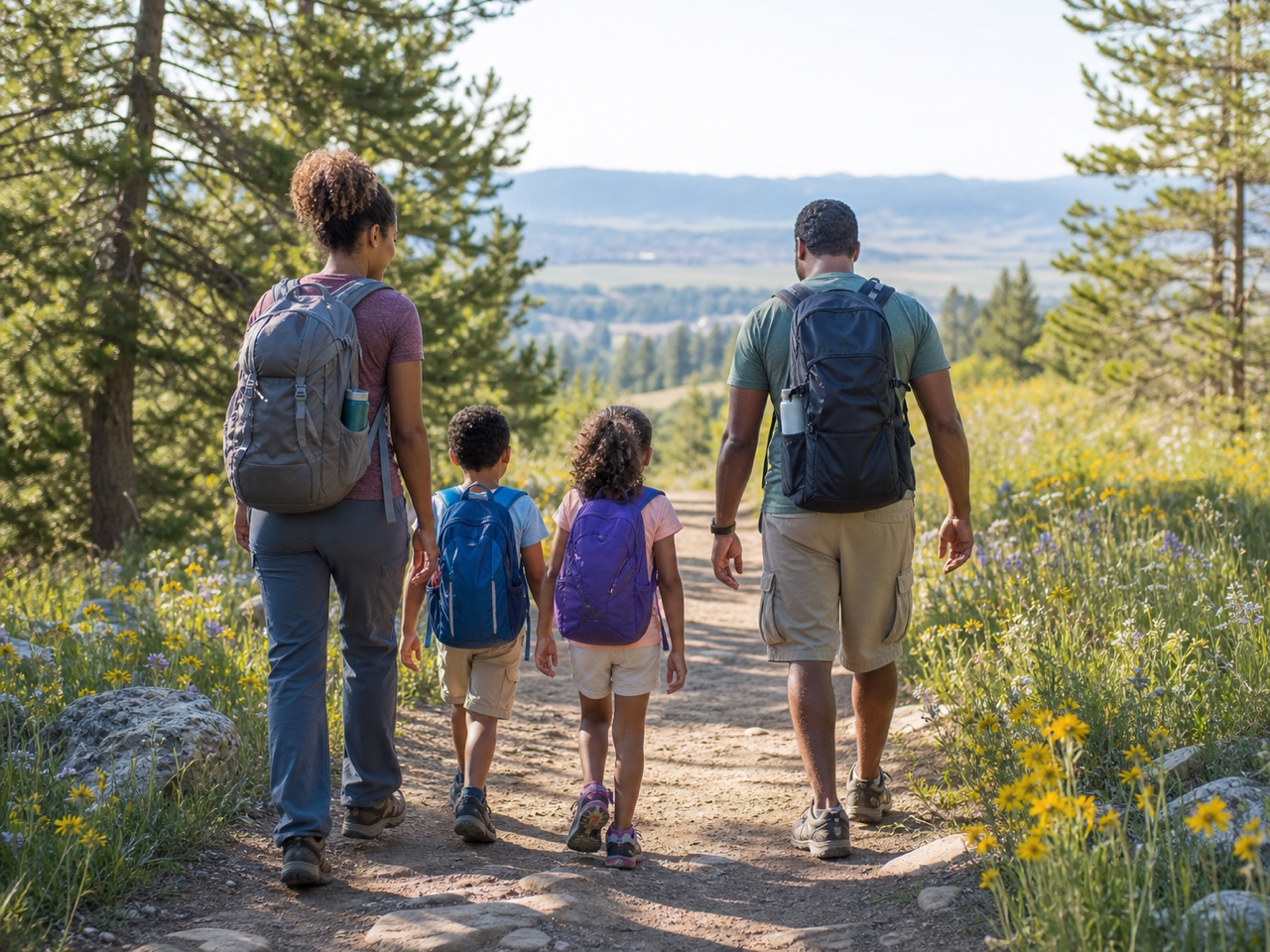
Eight places to start
Use this as a decision guide. Every park below links directly to its current National Park Service planning and kids pages.
Best for The easiest first big-park trip
Waterfalls, historic cabins, misty overlooks, and a Junior Ranger program turn a flexible road trip into a real adventure.

Best for Coast, bikes, and manageable wow factor
Carriage roads, rocky shoreline, tide pools, and ranger-led discovery make this a rare park where active kids and slow mornings both work.

Best for Big canyon drama without a marathon hike
The canyon shuttle turns the day into a choose-your-own adventure: riverside walking, hanging gardens, wildlife, and the Nature Center for a reset.

Best for Wildlife-obsessed elementary kids
Geysers, bison, boardwalks, and the feeling that the landscape is alive make the park a true family bucket-list trip.

Best for Waterfalls and giant trees in one trip
Valley waterfalls, granite cliffs, meadow wildlife, and ancient sequoias offer the kind of scale children understand immediately.

Best for Families who want many ecosystems
A single trip can include mossy rainforest, tide pools, mountain views, and wild coastline—the kind of contrast that keeps every age engaged.

Best for A high-impact first national-park memory
The South Rim's easy viewpoints, geology-rich Trail of Time, and ranger programming make the canyon much more than a quick overlook.

Best for Wildlife without steep trails
Alligators, wading birds, mangroves, boardwalks, and boat or tram experiences make the ecosystem feel like a living field guide.
The parent playbook
National parks reward flexible families. Pick one headline experience a day, keep a shorter backup close by, and let the park’s current conditions—not a saved itinerary—make the final call.
Before booking, check the park’s alerts, weather, terrain, water conditions, amenities, permits, and reservations. Ask whether every person can comfortably complete the activity—not just the most enthusiastic hiker.
Use NPS’s trip-planning guideChoose a morning anchor—one hike, shuttle loop, ranger program, wildlife stop, or scenic drive—then save an easy museum, visitor center, picnic, or short path for when energy, weather, or parking changes the plan.
Find kid-friendly park planning toolsVisitor centers and rangers are the last word on closures, weather, wildlife activity, trail conditions, and water hazards. Download maps for offline use and carry a paper backup; service is not a safety plan.
See what to ask a rangerHiking with kids
Pick the time, landmark, or energy signal that means “we turn around now”—before the trail feels hard. Snacks, water, and frequent pauses are part of the plan, not a failure of it.
In addition to the NPS essentials, pack the medication, sun and bug protection, layers, whistle, first aid supplies, and food your particular family needs. Check that shoes, packs, and helmets fit before leaving.
Stay on established trails; do not climb wet rocks near waterfalls or cross moving water without a park-approved plan. Near water, designate one adult as the water watcher and use life jackets where appropriate.
Camping with kids
For a first national-park camping trip, an established drive-in campground is usually the better family experiment: you can practice the routines that matter—sleep, food, bathrooms, dark, and weather—without adding a long approach hike.
Confirm the specific site’s water, toilets, parking, accessibility, fire rules, reservation policy, quiet hours, and food-storage requirements. These differ by park and can change with conditions.
Walk the site together, choose a level tent spot away from hazards, and set up sleeping, cooking, and eating areas deliberately. A simple familiar bedtime ritual goes farther than squeezing in one more activity.
Never leave food, coolers, scraps, or scented items out. Follow that park’s exact storage rules—some require lockers, boxes, or approved containers—and never feed animals.
A backyard or nearby-campground test night lets children try the tent, sleep layers, headlamps, and bathroom routine before a reservation-heavy trip.
Give kids a job
Ask kids to choose one animal, place, or question to investigate; give them the map at trail junctions; and make the Junior Ranger booklet or ranger program the day’s anchor. It turns waiting, walking, and “one more overlook” into an active role.
How we chose
Something to do beyond looking: wildlife, junior ranger programs, short walks, shuttles, tide pools, or easy adventure.
Room to recover when legs, weather, or energy change the plan.
A clear tradeoff you can plan around before booking flights or a campground.
Sources & photo credits
Planning and safety guidance is from the National Park Service. Check your selected park’s own current alerts, reservation pages, and regulations before leaving.
Keep exploring
Guides, destinations and activities worth a family weekend.
 The 20 Best U.S. Cities with KidsTwenty family destinations ranked for magic, memorable fun, age range, convenience, value, and trip resilience—with must-dos and smart 3-day plans.
Representative imageUnsplash
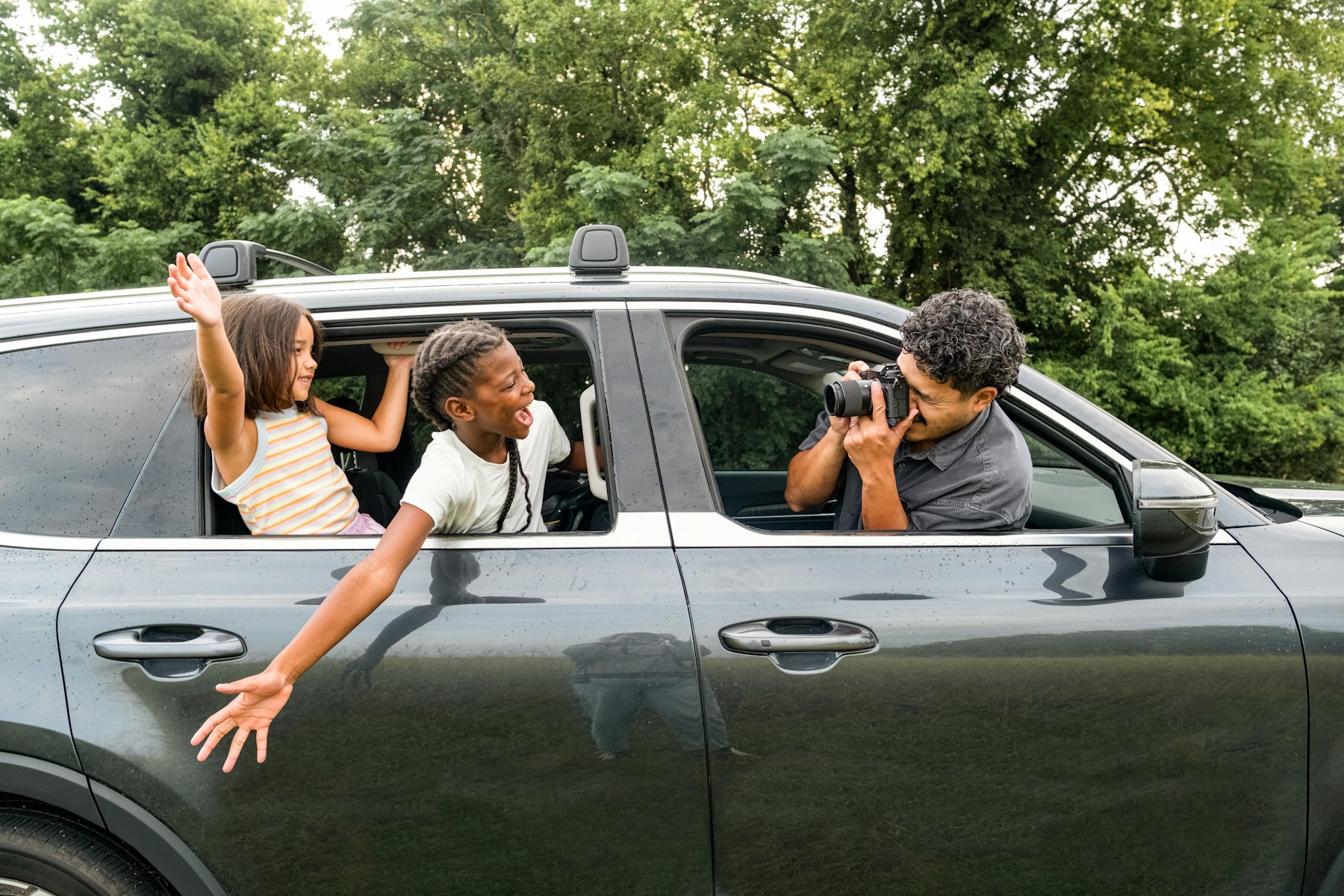 Family City Guides in Every StateExplore 129 priority family cities across all 50 states, with an honest view of which guides are complete, useful starters, or next in the research queue.
Representative imageSamsung Memory US / Unsplash
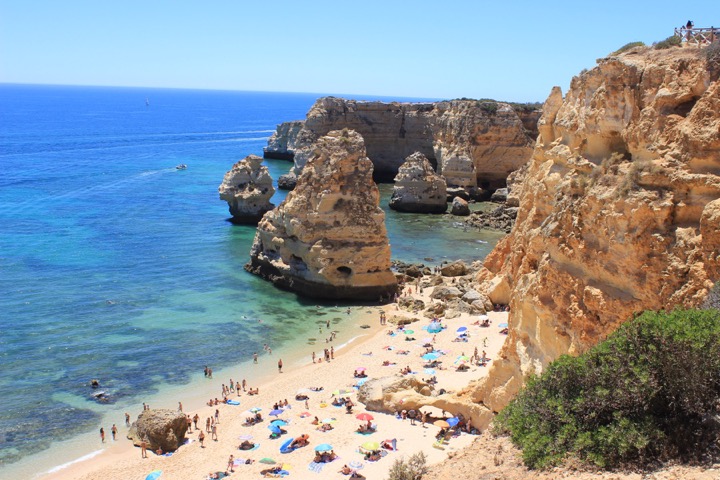 16 Extraordinary Family Trips for 2027A worldwide edit with a month-and-age finder, side-by-side comparisons, realistic routes, stays and honest planning tradeoffs.
MimihitamCC BY 4.0
 Birmingham with kidsBirmingham is strongest as a two-part family trip: hands-on science, animals, parks, and performance for play, then civil-rights and industrial history approached slowly enough for children to understand it. Cluster days by district, protect outdoor plans from heat, and choose one major learning experience rather than turning the city into a checklist.
Representative imageAndre Carrotflower · Wikimedia CommonsCC BY-SA 4.0
 Cairns with kidsThe gateway to the Great Barrier Reef and incredible wildlife experiences.
Representative imageUnsplashUnsplash License
 Gold Coast with kidsCombines beaches, theme parks, wildlife, and sunshine into one family-friendly destination.
Representative imageUnsplashUnsplash License
 Melbourne with kidsKnown for family-friendly neighborhoods, museums, culture, and easy exploration.
Representative imageUnsplashUnsplash License
 Sydney with kidsA dream destination featuring beaches, wildlife, ferries, parks, and iconic landmarks.
Representative imageUnsplashUnsplash License